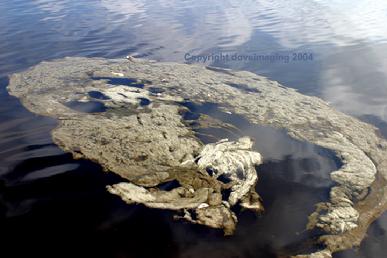
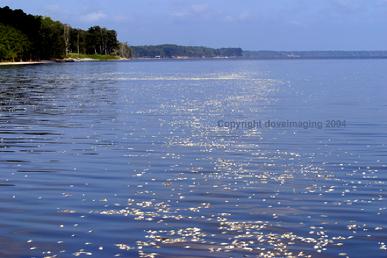
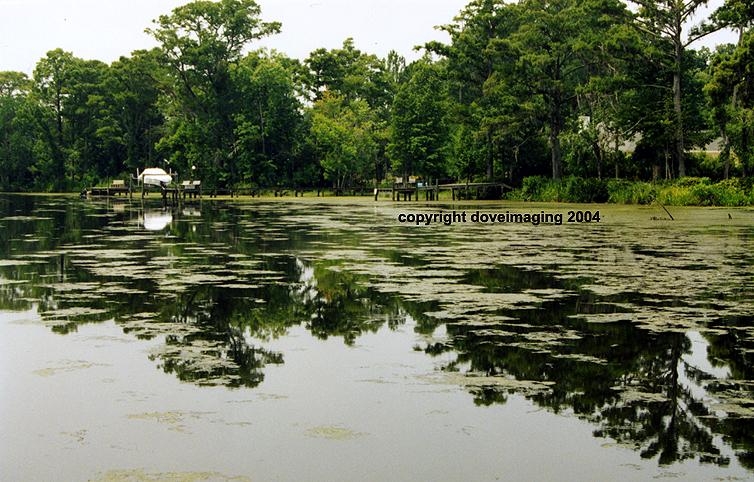
Our library contains over 45,000 stock pictures depicting the beauty of nature, pollution events in Eastern North Carolina due to both man made and natural events, as well as event photographs. Samples are set forth below. Additional samples will be provided upon request. All pictures are copyright protected and available for licensing at standard rates.
The Neuse River
CLICK ON EACH PHOTO IMAGE TO ENLARGE
BE SURE TO VISIT THE PHOTO GALLERIES LISTED UNDER THE TITLES IN THE ICONS AT THE TOP OF THIS PAGE
Image:
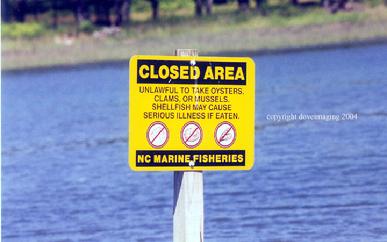
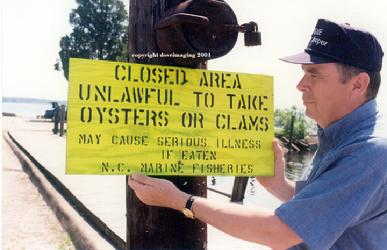
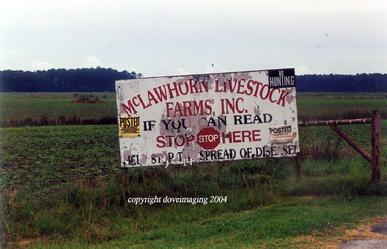
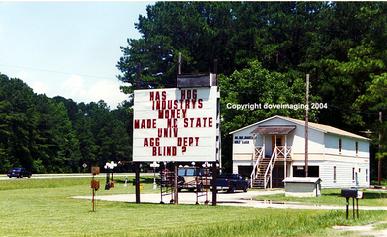
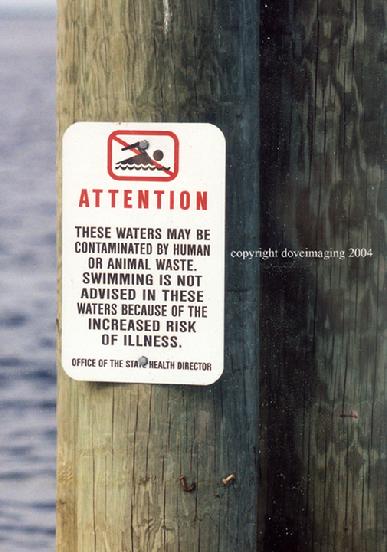
Signs of Pollution
Junkyard Pollution
Image:
Illicit discharges
Image:
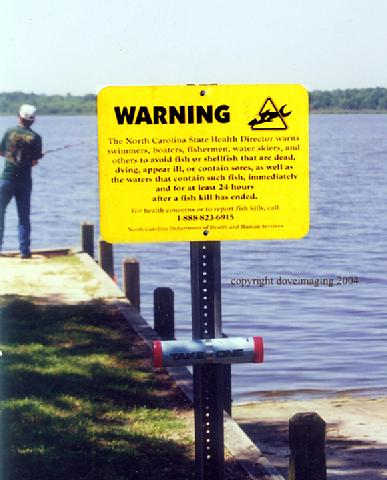
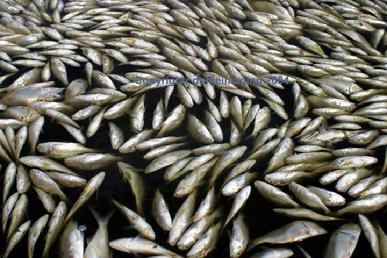
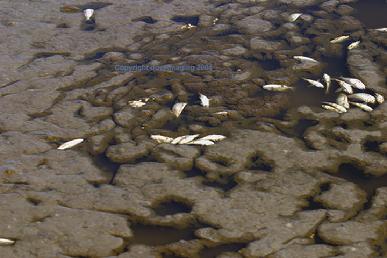
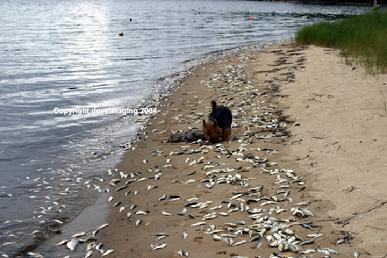
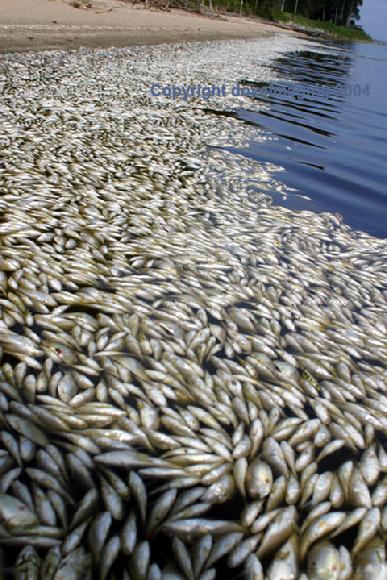
Fish Kills
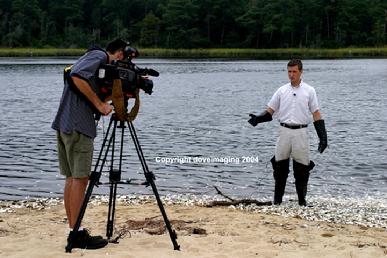
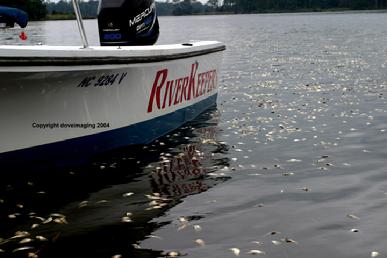
Millions of dead fish float along the south shore of the Neuse River near Carolina Pines, August 31, 2003
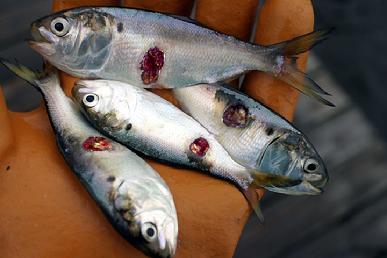
Fish deaths in the Neuse River are unequaled in any other river in the United States. In 1991 over one billion fish died during a six week period near New Bern, NC. Since then, almost another billion have perished. In 2004, approximately 20,000,000 fish died. Most of these fish were covered with open bleeding lesions on their bodies.
When the fish get sick, some of the people who frequent the river do as well.
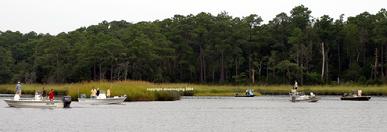
The state of North Carolina does not acurately record the number of dead fish during kill events. Fortunately, local citizens who regularly monitor the water do.
To see more fish kill pictures, click the "Fish Kill" icon located at the top of the page
Hog Factories
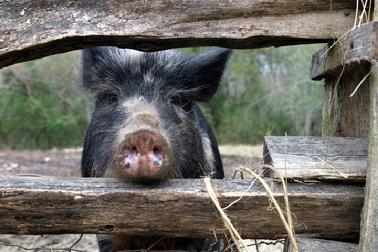
Most people think of hogs being raised out in the open on a farm as pictured on the right. Unfortunately, today these intelligent animals are grown in large industrial style buildings where they are crammed into pens. There, they spend their short lives under unspeakable conditions. Sows suffer the most. They are tightly confined in metal cages so that they can only stand or lay down. They cannot turn around.
At any one time there are ten million hogs being raised in North Carolina. Most of them are located east of I-95 in the environmentally sensitive area known as the coastal plain. These hogs produce ten times the fecal waste of a human. The hog waste is stored in open cesspools called lagoons. When the lagoons fill up the waste is dumped onto farm fields under the pretext of growing crops. While some crops are produced, a substantial amount of the waste ends up being discharged into public trust waters such as wetlands, streams, creeks and rivers.
Image:
Sedimentation
Image:
The Consequences of Nutrient Pollution
Excessive vegetative growth is one of the consequences of nutrient pollution that comes from hog factories, golf courses, city streets and private lawns. Additional pictures related to this type of pollution can be viewed by clicking the "Consequences of Pollution" icon located at the top of this page.